
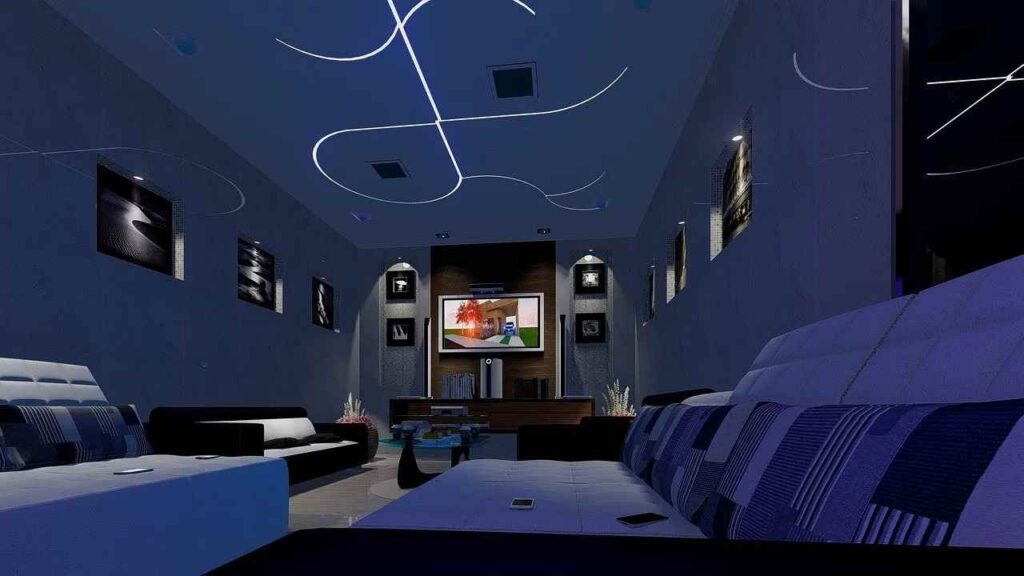
Choosing the right room for your home theater is crucial to achieving the best possible viewing and listening experience. It’s not just about having a large space; the room’s size, shape, and layout play a significant role in sound and picture quality. Whether you’re planning to convert an existing room or build a dedicated space, understanding the key factors can make all the difference. In this guide, we’ll walk you through the important elements to evaluate when selecting the ideal room for your home theater, helping you create a space where you can enjoy movies, sports, and gaming at their best with the support of Scotty AV.
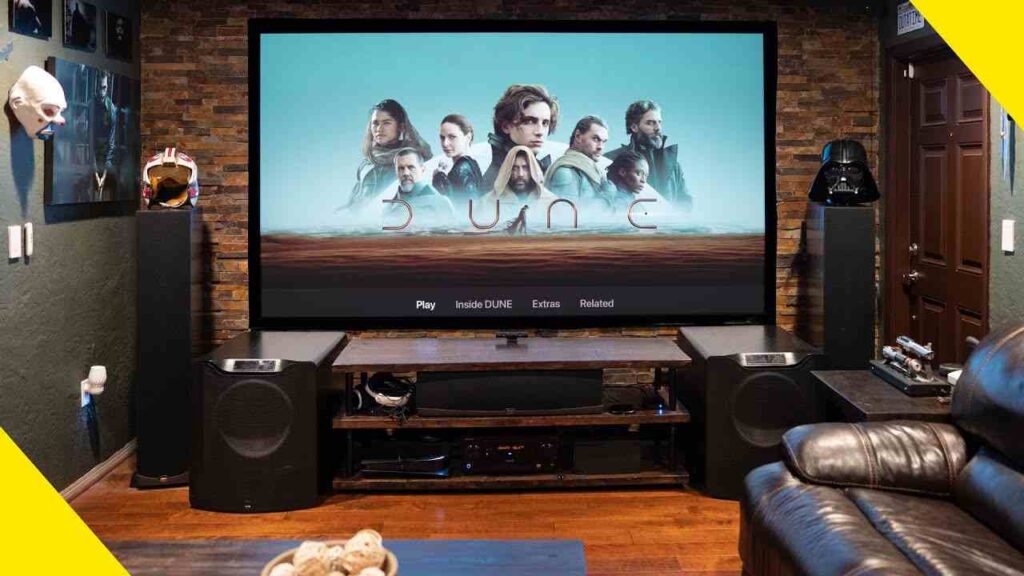
Lighting, acoustics, and furniture arrangement are essential to consider when designing a home theater. Proper lighting enhances the viewing experience without causing glare on the screen, while good acoustics ensure clear, immersive sound. The arrangement of your furniture can affect both the comfort and the viewing angles, making it key to your theater’s success. Additionally, choosing the right materials for the room, such as soundproofing elements and light-blocking curtains, can significantly elevate your setup. With these factors in mind, custom home theater design services ensure your theater room is tailored to your preferences and needs.
Importance of Room Size for Your Home Theater Setup
The size of the room plays a crucial role in designing a home theater. A larger room can accommodate bigger screens and more speakers, providing a more immersive experience. However, smaller rooms may require specific design considerations to ensure optimal viewing and sound quality. Room dimensions also affect the seating arrangement, as the distance between the screen and the audience should be ideal for both comfort and clarity. For instance, the ideal viewing distance from the screen should typically be 1.5 to 2.5 times the diagonal size of the screen. The layout and space available for speakers should also be taken into account to avoid sound distortion and ensure quality acoustics.
How to Achieve Optimal Lighting for Your Home Theater
Lighting is one of the most important aspects of creating a perfect home theater experience. Proper lighting allows you to control the ambiance while preventing glare on screens. Consider using dimmable lighting or LED strips around the room’s perimeter to enhance the mood without over-illuminating the space. Avoid harsh overhead lighting and opt for sconces or floor lamps that can be adjusted to create the perfect setting for movie watching. Additionally, blackout curtains or shades should be installed to prevent daylight from interfering with your viewing experience, especially during the day. The goal is to have lighting that is adjustable for comfort while still showcasing the cinematic experience.
Choosing the Right Acoustics for an Immersive Experience
Acoustics are vital to the overall enjoyment of a home theater. The room’s shape, size, and materials influence how sound travels and is perceived. For an optimal experience, start by choosing sound-absorbing materials, such as carpets, rugs, curtains, and foam panels, to reduce echo and control sound reflections. You should also consider placing speakers strategically around the room. Surround sound is a common configuration, so placing speakers at optimal angles ensures full immersion. Acoustic treatment should also focus on balancing bass frequencies to avoid distortion. Testing and calibrating your sound system can further ensure that the audio experience is clear, balanced, and powerful, without overwhelming the room.
Furniture and Seating Arrangement for Comfort and Functionality
The right furniture and seating arrangement are crucial for both comfort and functionality in your home theater. Begin by choosing seats that provide adequate support and a clear, comfortable view of the screen. Reclining chairs or theater-style seating can add a luxurious touch, while ensuring the best experience for movie-watching. For larger rooms, consider tiered seating to provide every viewer with an unobstructed view. The arrangement of furniture should facilitate good acoustics and avoid blocking speakers or the projection screen. Ensure that there is ample space between seats for easy movement and comfort. Lastly, comfortable armrests and cup holders are great additions for a complete theater experience.
Selecting the Best Screen Size and Projection Setup
Choosing the correct screen size and projection setup is a key element in creating an authentic home theater experience. The screen should be large enough to fill the viewer’s field of vision without being overwhelming. For most rooms, the ideal screen size is between 100 to 120 inches, but this varies based on room size and viewing distance. Consider whether you want an LED or a projector setup. Projectors provide a cinematic experience with larger images, but they require a dark room and the right projector screen. Ensure the projector has high resolution (such as 4K) for clear, crisp images. Calibration of the screen’s brightness, contrast, and colors is important to enhance visual quality.
Soundproofing Tips for Your Home Theater Room
Soundproofing is essential for preventing noise disturbance to other rooms or neighbors while also enhancing the theater experience. Effective soundproofing involves sealing gaps around doors and windows and adding soundproofing materials like acoustic foam, fiberglass insulation, or specialized drywall to the walls. You can also install double-paned windows and thick curtains to block external noise. The floor should be insulated or covered with thick carpets to absorb sound and reduce vibrations. In some cases, adding mass-loaded vinyl or soundproof panels can reduce sound leakage, ensuring that sound is kept within the room. This level of soundproofing is particularly important if your home theater is in a shared or multi-story home.
Integrating Smart Home Technology in Your Home Theater
Integrating smart home technology into your home theater system enhances the overall user experience. Smart thermostats, voice-activated controls, and automation systems allow you to easily adjust the room’s settings, such as lighting, temperature, and sound, with a simple voice command or through an app. You can also set up automation to dim the lights, close the curtains, and turn on the projector all at once, creating a seamless experience. Smart speakers and voice assistants can control the AV equipment without the need for a remote. Integration of streaming devices, such as smart TVs, allows you to access all your favorite content directly from your theater system, providing ultimate convenience.
Best Flooring Options for Home Theater Rooms
Flooring in a home theater should contribute to both the aesthetic and acoustic quality of the room. Thick carpet is a common choice due to its ability to absorb sound, creating a more immersive listening experience by reducing echoes and reverberation. A plush carpet also adds comfort, especially if you’re sitting on the floor or using a theater-style seating arrangement. For those preferring a modern, sleek look, hardwood or laminate flooring with acoustic padding underneath can provide both style and soundproofing benefits. Avoid shiny or reflective flooring, which can distort sound and create glare. Make sure your flooring complements the overall design and is durable enough to handle high traffic.
Color Schemes and Wall Treatments for a Cinematic Feel
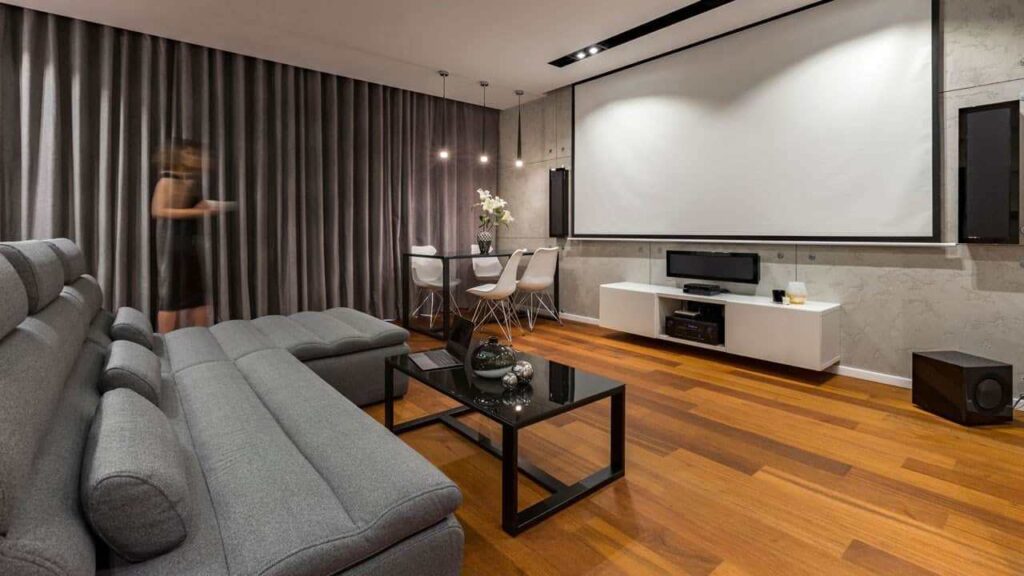
The right color scheme and wall treatments can significantly enhance the atmosphere of your home theater. Darker colors like deep blues, blacks, or grays are ideal for minimizing reflections and improving contrast on your screen. You can use rich textures like velvet or suede wall treatments to add elegance and further control sound quality. Acoustic panels can double as decorative elements, absorbing excess sound while maintaining the room’s aesthetic appeal. You might also consider using soundproof wallpaper for a luxurious touch. Keeping the walls simple and clean will focus attention on the screen, while adding dim lighting or backlighting enhances the cinematic ambiance of the space.
Managing Cable and Wire Systems for a Neat Setup
Managing cables and wires efficiently is an essential part of designing a functional and neat home theater system. An organized setup not only looks cleaner but also improves safety and accessibility. Begin by using cable management systems like wall-mounted racks or conduits to keep wires hidden from sight. For a wireless setup, consider using Bluetooth or Wi-Fi-enabled devices, which reduce the need for visible cables. If you must use cables, ensure they are properly labeled and secured to avoid tangling. Keeping the cables behind the walls or in hidden compartments makes the room feel more organized and contributes to the sleek design of the space. A clutter-free setup is not only visually appealing but also prevents equipment from becoming damaged.
Budgeting for a Custom Home Theater Design
When creating a custom home theater, budgeting is an essential factor to consider. The cost can vary greatly depending on the size of the room, the technology selected, and the design complexity. Begin by determining a realistic budget that includes the necessary equipment, such as a projector, screen, sound system, seating, and any smart home integration. Factor in costs for professional installation, soundproofing, and room customization. It’s also important to consider ongoing costs for maintenance, such as projector bulb replacements or system upgrades. While the upfront investment can be significant, planning ahead ensures you get the best value for your money while achieving the ideal theater experience. Prioritize spending on elements that will impact your enjoyment the most.
Conclusion
Creating the perfect home theater requires careful planning and attention to detail. By considering factors like room size, lighting, acoustics, and furniture arrangement, you can transform any space into an immersive cinematic experience. Integrating modern technology, including smart home features and soundproofing, ensures that the room is both functional and comfortable. Additionally, choosing the right screen size, speakers, and seating will enhance your viewing pleasure. Although the process of designing a custom home theater can be complex, the end result offers unmatched entertainment value and convenience. With careful budgeting and the help of professionals, you can achieve a tailored setup that suits your needs and provides years of enjoyment.
FAQs
What is the best room for a home theater? The ideal room should be a quiet, windowless space with minimal distractions. Basements or spare rooms often work best.
How important is lighting in a home theater design? Proper lighting sets the mood and reduces glare on the screen. Adjustable lighting is essential for creating a cinematic atmosphere.
Can I use any room for a home theater? While any room can be used, the space should be adaptable for soundproofing and have enough space for seating and equipment.
How do I improve acoustics in my home theater? Installing acoustic panels, soundproofing the walls, and using carpeted flooring can significantly improve sound quality.
Is it necessary to hire professionals for custom home theater design? Hiring professionals ensures the proper integration of technology, acoustics, and layout for a flawless home theater experience.