
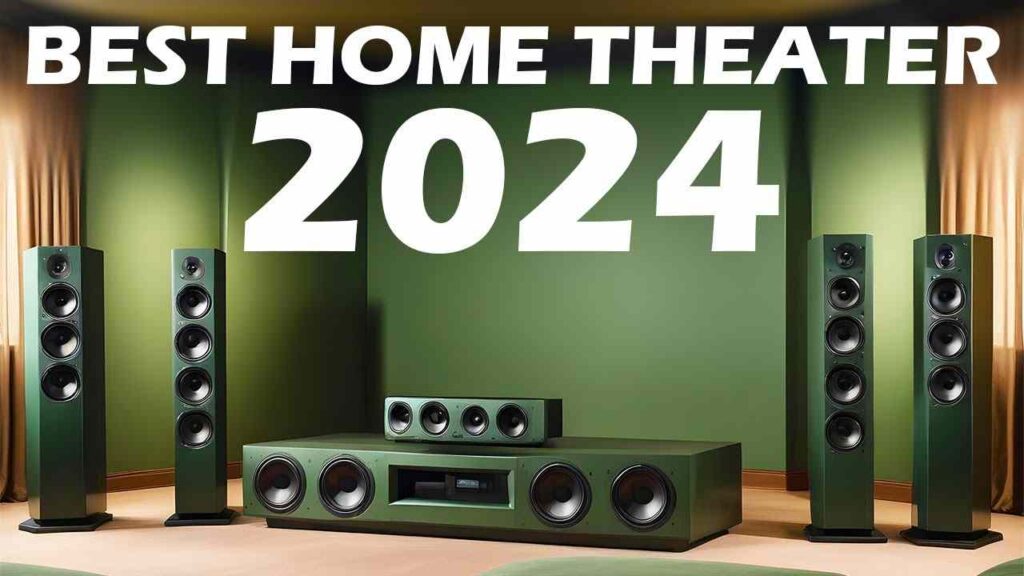
When it comes to creating the perfect home theater experience, one of the most important elements is sound. A high-quality sound system can completely transform how you experience movies, music, and gaming. The immersive power of clear, rich audio enhances every scene and detail, making you feel like you’re right in the middle of the action. In this guide and with the support of Scotty AV, we’ll explore why sound systems are essential in home theaters and how to choose the best audio setup to elevate your viewing experience.
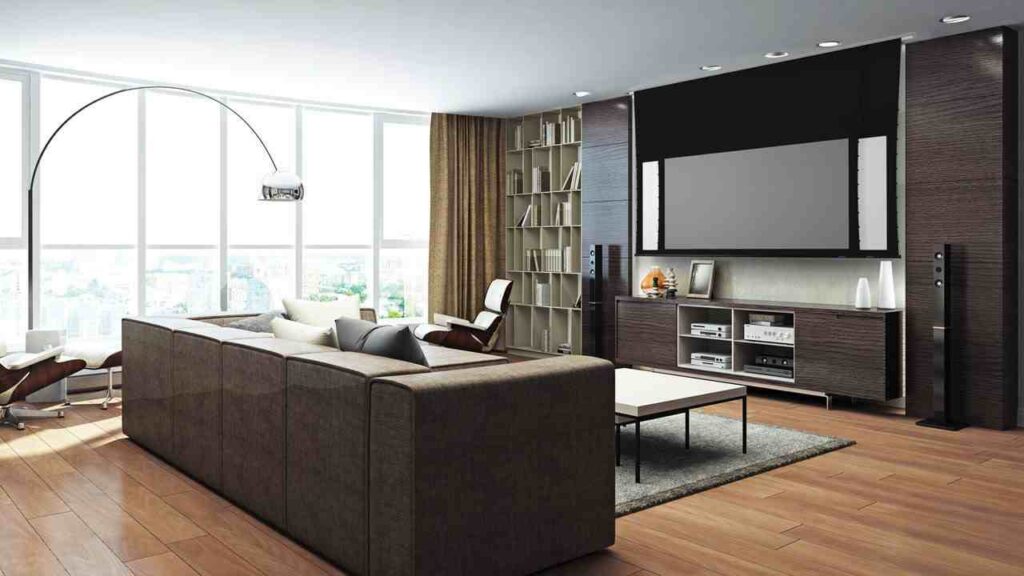
Whether it’s the deep rumble of an explosion or the delicate tones of a musical score, sound plays a crucial role in how you engage with entertainment. A powerful sound system, integrated by expert custom home theater design services, adds depth and clarity, allowing every detail to come through with precision. From subtle background effects to booming action sequences, the right audio setup ensures you’re fully immersed in the experience. Custom home theater design services focus on delivering tailored audio solutions that perfectly fit your space and preferences, elevating your overall entertainment experience.
Why Sound Quality Matters in Home Theaters
Sound quality is a critical element in any home theater system. It’s the foundation of an immersive viewing experience. High-quality audio makes movies, music, and video games come to life, ensuring that every detail, from dialogue to background sound, is clear and precise. Poor audio quality can distract from the visual experience, leaving you with an incomplete entertainment setup. The right sound system enhances the depth, clarity, and dynamics of your audio, creating an environment that mirrors a professional theater. Investing in high-quality sound can transform your home theater into an immersive escape, making it an essential part of the overall system. Whether you’re watching a blockbuster or listening to your favorite album, the sound quality can elevate the experience.
Components of a High-Quality Sound System
A high-quality sound system is made up of various components, each contributing to a complete and rich audio experience. The key elements of a sound system include speakers, a receiver, subwoofers, and amplifiers. Speakers are the backbone of the system, with a set of surround sound speakers ensuring you can hear sound from all directions. The receiver is responsible for processing audio and sending it to the speakers. Subwoofers add depth to your sound by producing low frequencies, providing that powerful rumble you feel in your chest. Amplifiers are essential to boost the audio signals for optimal sound delivery. When these components are chosen and set up properly, they work together to create immersive sound quality that elevates your home theater.
How Custom Audio Solutions Enhance Home Theater Experience
Custom audio solutions are tailored specifically to fit the unique needs of your home theater. With professional design, audio systems can be optimized for room size, layout, and acoustics. Custom solutions allow you to select high-end speakers, receivers, and subwoofers that perfectly match your preferences and space. Unlike off-the-shelf systems, custom audio takes into account the room’s acoustics, ensuring that sound is balanced and clear. Professionals will also ensure that the system integrates seamlessly with your other home theater equipment, providing intuitive controls and reliable performance. By designing a sound system that fits your needs, custom audio solutions offer superior sound quality, creating an immersive cinematic experience that elevates your entertainment.
The Role of Subwoofers in Home Theater Sound
Subwoofers are a crucial component of home theater sound systems. They are designed to reproduce low-frequency sounds, such as the deep rumble of explosions or the low hum of music. These frequencies are important for creating a full-range sound experience, adding depth and richness to audio. Without a subwoofer, home theater audio can feel flat, lacking the power needed to bring the sound to life. A good subwoofer ensures that bass sounds are clear, tight, and impactful, enhancing both action-packed scenes and subtle soundtracks. Custom placement of subwoofers is essential to avoid distortion or muddiness in the sound. Integrating the right subwoofer into your system will bring an immersive quality to your home theater experience.
Surround Sound vs. Stereo: Which Is Best for Your Home Theater?
When designing a home theater, one of the key decisions is choosing between surround sound and stereo audio. Surround sound uses multiple speakers placed strategically around the room to create a 360-degree audio experience. This system mimics how we naturally hear sound in a real environment, enhancing immersion, especially for movie viewing. Stereo, on the other hand, uses two speakers to create a more straightforward, traditional sound stage. While it’s great for music and smaller spaces, it lacks the depth and realism of surround sound.

The Impact of Room Size on Home Theater Sound Systems
Room size plays a significant role in determining how your home theater sound system performs, especially when you choose the best room for your home theater. Larger rooms require more powerful audio equipment and careful placement to fill the space with sound, while smaller rooms may only need smaller speakers for adequate coverage. The acoustics of the room are also affected by its size—larger rooms tend to have more reverberation and sound reflections, which can muddy the audio if not properly treated. Custom audio solutions take room size into account, ensuring the equipment is sized and placed optimally. Soundproofing might also be necessary to prevent external noise from interfering with your theater experience.
Acoustic Treatment: Improving Sound Clarity in Your Home Theater
Acoustic treatment is vital in optimizing the sound quality of your home theater. The layout and materials in the room, such as furniture, carpets, and walls, all impact how sound travels and reflects. Without proper acoustic treatment, sounds can bounce off hard surfaces, causing echo or muddiness, making it difficult to distinguish dialogue or details in the soundtrack. Acoustic panels, bass traps, and diffusers are commonly used to control sound reflections, reduce noise, and enhance clarity. Professional acoustic treatment ensures that the sound in your home theater is well-balanced, crisp, and immersive. By controlling the acoustics, you can create the ideal environment for a superior home theater audio experience.
Choosing the Right Speakers for Your Home Theater Setup
Choosing the right speakers is essential for achieving optimal sound quality in your home theater. The type of speakers you need will depend on the layout of your space, the type of audio experience you want, and your personal preferences. Floor-standing speakers, for example, are great for larger spaces, providing deep, full-range sound. Bookshelf speakers offer more compact options without sacrificing sound clarity. In-wall or in-ceiling speakers can create a seamless look, ideal for modern home theaters. You’ll also need to consider the placement of your speakers—proper positioning ensures you get the best sound distribution. With the right choice, speakers can deliver clear, crisp audio that elevates your overall home theater experience.
Wired vs. Wireless Sound Systems: Pros and Cons
When setting up a home theater sound system, you’ll face the decision of whether to use wired or wireless speakers. Wired systems provide a stable and reliable connection, ensuring that you won’t experience signal drops or interference. They are usually preferred by audiophiles due to their superior sound quality and reliability. However, they require more complex installation and can be difficult to hide cables. On the other hand, wireless systems are easy to set up and offer greater flexibility in terms of speaker placement. They are ideal for those who want a cleaner, more minimalist setup. However, wireless systems can be more prone to interference and might not offer the same sound fidelity as wired systems.
How to Optimize Your Home Theater Sound System for the Best Performance
Optimizing your home theater sound system is key to achieving the best audio experience. Start by ensuring proper speaker placement—speakers should be positioned at ear level and angled towards the viewing area for balanced sound distribution. Room acoustics are equally important; acoustic treatments like sound panels and bass traps can help absorb excess sound and eliminate echo. Calibration of your receiver’s settings is another important step—most modern receivers come with auto-calibration features that can adjust speaker levels and EQ based on the room’s acoustics. It’s also important to choose the right source for your audio. By fine-tuning these elements, you can significantly improve the sound quality of your home theater.
The Future of Home Theater Sound Systems: Trends and Innovations
The future of home theater sound systems is filled with exciting advancements that are shaping the way we experience audio. One of the biggest trends is the integration of smart technology, allowing for easier control and customization of sound settings through voice commands and apps. Object-based audio systems, like Dolby Atmos, are also gaining popularity, offering a more immersive sound experience by positioning sounds in a 3D space. Wireless and Bluetooth technology is becoming more reliable, offering seamless audio transmission without the need for cables. Moreover, speakers are getting smaller without sacrificing sound quality, allowing for sleek designs that fit into modern homes.
Conclusion
In conclusion, sound quality is a crucial element that significantly enhances the home theater experience. From selecting the right components like speakers and subwoofers to optimizing acoustics and room size, every detail matters in creating the perfect audio setup. Custom audio solutions tailored to your space can elevate the clarity, depth, and realism of your sound, ensuring an immersive experience. Whether you choose wired or wireless systems, the right choice of speakers and proper system calibration are essential for optimal performance. As technology continues to evolve, innovations like smart controls and object-based audio are shaping the future of home theater sound. Investing in high-quality sound systems and design services will undoubtedly transform your home entertainment space into a professional-grade, immersive experience.
FAQs
Why is sound quality important in a home theater?
Sound quality creates an immersive experience, enhancing the enjoyment of movies, music, and games by providing realistic audio effects.
What are the key components of a home theater sound system?
Key components include speakers, subwoofers, amplifiers, and audio receivers, which work together to deliver rich, clear sound.
How does room acoustics affect sound quality in a home theater?
Room acoustics, such as shape and surface materials, can either amplify or dampen sound, impacting clarity and depth of audio.
What is the difference between a soundbar and a surround sound system?
A soundbar is a compact speaker that provides basic audio, while a surround sound system offers a more immersive, multi-speaker setup.
Can I customize my home theater audio system?
Yes, custom home theater design services allow you to tailor your audio setup to fit your space, preferences, and desired sound quality.